Vinyl vs. Steel: Which Siding Material Is Right for Your Remodel?
January 4, 2026
Wondering whether vinyl or steel siding suits your remodel best? When considering vinyl vs steel siding, think about your priorities. Vinyl siding offers affordability and a variety of styles, making it great for those on a budget who want visual appeal. However, it may not hold up as well against harsh weather conditions.
Steel siding, on the other hand, serves as a highly weather-resistant siding option, perfect for North Dakota home remodeling where severe storms and temperature fluctuations are common. Its durability and low maintenance make it a practical choice for long-term value. To truly serve your home and community, select the material that balances aesthetic goals with climate resilience, ensuring your remodel stands strong and looks great for years.
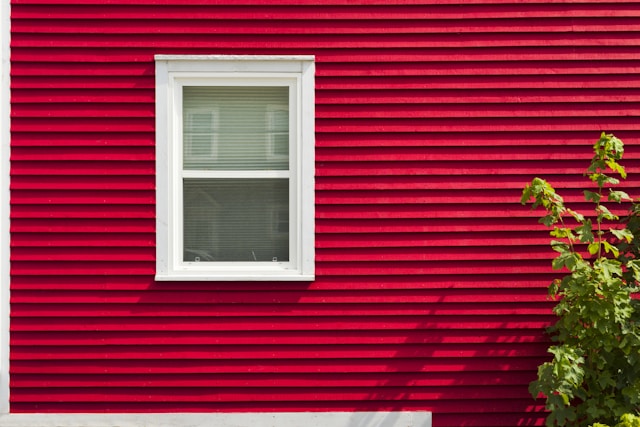
Overview of Vinyl and Steel Siding
Although both vinyl and steel siding serve the essential purpose of protecting your home’s exterior, they differ significantly in material composition, appearance, and durability.
When you consider vinyl siding, you’ll find it’s lightweight and available in many colors and styles, making it easy to customize your home’s look. It generally costs less upfront but may not handle severe weather as well.
On the other hand, steel siding offers exceptional strength, fire resistance, and longevity, ideal if you want low-maintenance protection against harsh climates.
In your home siding comparison, weigh vinyl siding’s affordability and versatility against steel siding’s toughness and resilience. Understanding these differences helps you guide homeowners toward siding solutions that truly fit their needs and environment.
Basic definitions and common uses
To make an informed choice between vinyl and steel siding, you’ll want to understand what each material really is and how it’s commonly used. Vinyl siding benefits include lightweight construction, affordability, and a variety of colors and styles, making it ideal for low-maintenance siding in moderate climates. However, its siding durability can falter under extreme weather.
Steel siding, favored in steel siding North Dakota projects, offers exceptional siding durability, fire resistance, and minimal upkeep. Knowing the steel siding pros and cons helps you weigh its strength and maintenance needs against cost and appearance. By understanding these basics, you can better serve homeowners seeking siding that balances protection, aesthetics, and upkeep in their remodeling efforts.
Cost Comparison
When comparing vinyl and steel siding costs, you’ll find that each material fits different budget ranges and long-term investment plans. Vinyl siding typically costs less upfront, making it an attractive choice if you need affordable residential siding materials quickly. It’s lightweight and easier to install, which can lower labor expenses.
On the other hand, steel siding may come with a higher initial price but offers greater durability and fire resistance. If you aim for eco-friendly siding options, steel often rates better, as it’s recyclable and more sustainable over time.
Upfront costs vs. long-term value
Choosing between vinyl and steel siding means weighing upfront costs against long-term value. Vinyl siding generally comes with a lower initial price, making it more budget-friendly if you’re managing an exterior renovation in Carrington, ND.
However, steel siding offers a higher upfront investment but pays off through its longevity and lower maintenance needs. When you consider how often you might need repairs or replacements, steel siding often provides better value over time by reducing future expenses and preserving your home’s curb appeal.
For your project, focus on what benefits your community the most—durability and reduced upkeep with steel, or affordability and quick installation with vinyl. Balancing these factors ensures your home looks great now and remains protected for years.
Durability in Harsh Climates
Beyond considering costs and long-term value, durability plays a key role in selecting siding, especially in places like Carrington, ND, where weather can be severe. When you work with central city remodelers, you’ll learn that steel siding often outperforms vinyl in harsh climates. It resists dents, warping, and cracking, providing a sturdy shield for your home.
Vinyl siding may look great but can suffer damage from extreme temperatures and impact. To serve your home’s needs best, think about these factors:
- Resistance to temperature fluctuations
- Ability to withstand wind and hail
- Protection from moisture infiltration
- Minimal maintenance requirements
- Longevity under harsh conditions
Choosing siding with these in mind helps you ensure your remodel stands strong year after year.
Weather resistance, lifespan, and impact tolerance
Anyone shopping for siding wants materials that stand up to weather, last long, and tolerate impacts without damage. Vinyl siding resists moisture well but can crack or fade under extreme temperatures and strong impacts like hail. Its lifespan typically spans 20 to 40 years depending on care and climate.
Steel siding excels in weather resistance—it won’t warp, crack, or fade easily, and handles hail, wind, and fire with superior strength. You can expect steel siding to last 40 to 70 years, making it a solid long-term investment. Choosing between vinyl and steel means balancing your local climate challenges and how much impact resistance you need. By understanding these qualities, you’ll find siding that protects your home and serves your community with durability and reliability.
Maintenance and Upkeep
Both vinyl and steel siding require some upkeep to keep your home looking great and performing well over time. You’ll want to regularly inspect both materials to spot any issues early.
Vinyl siding is less prone to rust but can crack or warp, while steel resists dents but might need touch-ups to prevent corrosion. To serve your home’s longevity, focus on these key maintenance tasks:
- Check siding for physical damage like cracks or dents
- Ensure proper sealing around edges to prevent moisture damage
- Monitor for signs of rust or corrosion on steel siding
- Inspect vinyl for warping caused by heat or impact
- Maintain paint or coatings to protect steel and enhance aesthetics
Cleaning, repairs, and long-term care
Regular upkeep for vinyl and steel siding naturally leads to understanding how cleaning, repairs, and ongoing care ensure long-term performance. You’ll find vinyl siding easiest to clean with a garden hose and mild detergent, tackling dirt and mildew. Spot repairs are straightforward—replace damaged panels to keep your home looking fresh.
Steel siding demands a bit more attention to prevent rust; you’ll want to wash it regularly and address scratches promptly with touch-up paint. Both materials benefit from annual inspections to catch issues early. By staying proactive, you’ll extend the life of your siding and protect your investment. Remember, consistent care lets you serve your home and community well, keeping every exterior inviting and durable through North Dakota’s tough seasons.
Style and Aesthetic Options
When choosing siding, style and aesthetic options play a crucial role in defining your home’s curb appeal. You want siding that complements your home’s architecture while reflecting your personal taste. Vinyl siding offers versatile designs, often mimicking traditional wood patterns that can suit various home styles. Steel siding, known for its sleek and modern look, provides a bold statement and can be customized with different panel profiles.
Consider these style factors when selecting siding:
- Matching your home’s architectural style
- Options for different siding profiles and shapes
- Ability to replicate natural materials
- Customizable trim and accessory possibilities
- Compatibility with existing exterior elements
Colors, textures, and curb appeal
Once you’ve considered style and design, it’s time to explore how colors and textures impact your home’s curb appeal. Vinyl siding offers a versatile palette from soft pastels to vibrant hues, allowing you to customize your home’s look effortlessly. Its smooth or wood-grain textures can mimic traditional styles, adding warmth and charm.
Steel siding, while available in fewer colors, offers finishes that resist fading, keeping your home crisp and polished over time. Textured steel options provide a sleek modern feel and enhance durability. Choosing the right combination boosts your home’s attractiveness, improving resale value and neighborhood harmony.
Whether you want bold or subtle, knowing how to balance color and texture lets you serve your community by enhancing the visual appeal of your home and the entire street.
Environmental Considerations
Although choosing siding materials often focuses on style and cost, you should also consider their environmental impact. Both vinyl and steel have distinct environmental footprints, so understanding these can help you make a choice that aligns with your values.
Here are key environmental factors to weigh:
- Energy efficiency: How well siding insulates your home affects heating and cooling needs.
- Longevity: Materials that last longer reduce frequent replacements and waste.
- Maintenance needs: Low-maintenance siding means fewer chemicals and resources for upkeep.
- Resource extraction: Consider the impact of mining steel or producing vinyl plastics.
- Impact on local ecosystems: Installation and material choice can affect nearby habitats.
Recyclability and production impact
Because the production and end-of-life processes of siding materials affect both the environment and your long-term sustainability goals, understanding recyclability and manufacturing impacts is crucial. Vinyl siding is made from polyvinyl chloride (PVC), which involves energy-intensive processes and releases harmful chemicals. While vinyl itself is recyclable, few facilities accept it, limiting its practical recyclability.
Steel siding, on the other hand, requires significant energy to produce but is highly recyclable and often contains recycled content. When you choose steel, you support a circular economy, reducing the need for new raw materials. Considering these factors helps you make a decision that minimizes environmental harm and benefits your community by promoting responsible resource use throughout your remodel.
Best Choice for North Dakota Homes
How can you choose the best siding for your North Dakota home? You need siding that stands up to local challenges while looking great and fitting your budget. Steel siding is often the top pick thanks to its toughness and low upkeep.
Still, vinyl might work if you prefer a lighter option with diverse styles.
Consider these factors:
- Durability against strong winds and heavy snow
- Resistance to fire hazards in dry seasons
- Maintenance demands for busy homeowners
- Visual appeal matching your home’s style
- Installation support from local experts like Central City Remodelers
Regional climate and budget recommendations
When selecting siding for your home, you’ll want to consider how your regional climate affects material performance alongside your budget constraints. In colder, harsher climates with strong winds or heavy snowfall, like North Dakota, steel siding stands out for its durability and resistance to damage. It may cost more upfront, but its low maintenance and longevity often save you money over time.
If you live in milder areas with moderate weather, vinyl siding provides an affordable, attractive option that can fit tight budgets. Your choice should balance initial costs with long-term benefits, ensuring the siding protects your home while meeting your financial plan. Think about your community’s typical weather and your remodeling budget to make a decision that serves your home and family well.